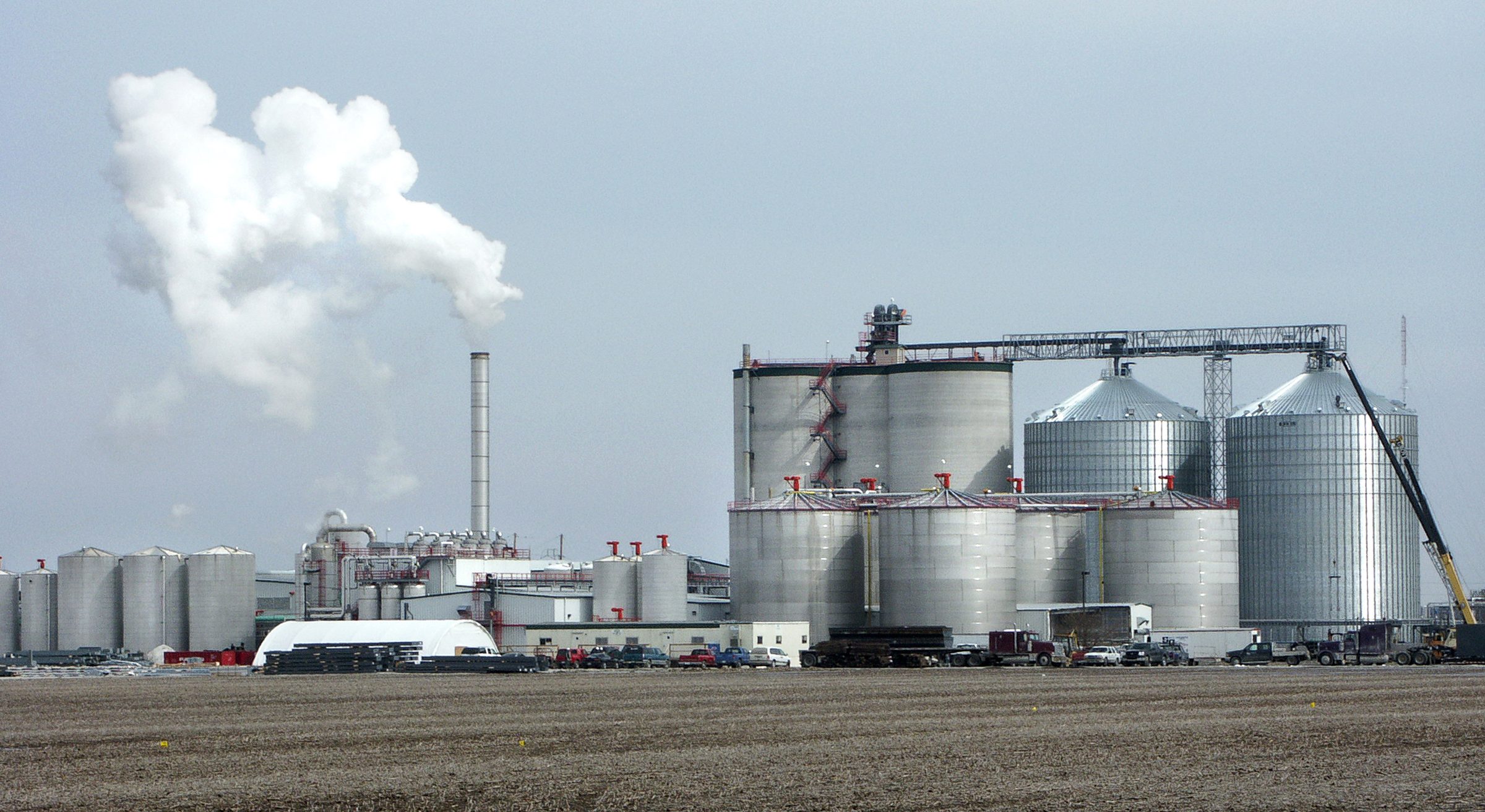
Let's clear up the biggest misunderstanding in farm country about 45Z. It is a tax credit for the company that makes the fuel. It is not a check from the IRS to you.
How the credit works
The credit goes to biofuel producers such as ethanol plants. The size of the credit depends on the carbon intensity (CI) score of the fuel compared with a benchmark of 50 kilograms of CO2e per million BTU. Lower CI means a bigger credit, up to $1.00 per gallon for ethanol.
Where the farmer fits
About half of ethanol's carbon intensity comes from how the corn is grown. So a plant that buys low-CI corn can make low-CI fuel and earn a bigger credit. Any value that comes back to you arrives through a contract, a premium or a program the plant offers, and each plant decides how much it passes along.
Plants also carry the audit risk and pay for verification, which is part of why premiums, where they exist, are negotiated and not automatic.
What this means for your farm
Practices that lower your corn's CI may be valuable to your plant, but only if you have an agreement with that plant. Before you change anything, ask whether your plant is offering a premium and what it requires. If you are not near a plant that is, the opportunity may be smaller than the headlines suggest.
Talk to your CPA about how any payment would be taxed. We are not tax advisors.